THE WHAT? Unilever’s Dove has released a new body of research revealing the extent and young age at which Black girls experience hair discrimination in schools.
THE DETAILS Some 53 percent of Black mothers say that their daughters experienced discrimination as early as 5 years old and approximately 86 percent of Black teens who have endured discrimination have done so by age 12.
To raise awareness for CROWN ACT legislation, which would make race-based hair discrimination illegal nationwide, the personal care brand has released a short film, titled As Early As Five.
THE WHY? EVP & COO of Unilever North America, Esi Eggleston Bracey, explains, “Our ground-breaking 2019 CROWN research study revealed that Black women are 80 percent more likely to change their hair from its natural state to fit in at the office. Now, this new body of research illuminates the pervasive nature and deep impact hair discrimination has on Black girls highlighting the horrific multi-generational impact of narrow beauty standards in America. These biases continue to perpetuate unfair scrutiny and discrimination against Black women and girls for wearing hairstyles inherent to our culture. This is unacceptable and why it is imperative that everyone join the movement to make hair discrimination illegal nationwide through the passage of The CROWN Act.”
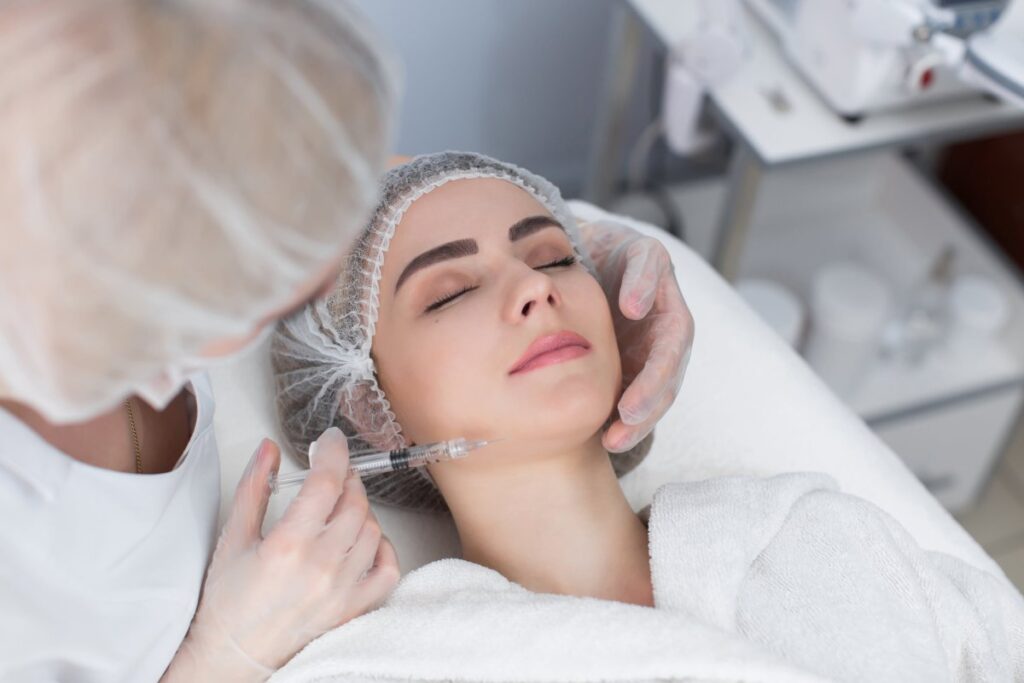
Aesthetic injectable companies refer to businesses or companies that specialize in manufacturing, distributing, or providing aesthetic injectable products and services. These companies focus on developing and supplying injectable substances used for cosmetic purposes, typically administered by qualified medical professionals. Aesthetic injectable companies play a crucial role in the field of aesthetic medicine and cosmetic dermatology by offering a variety of injectable products designed to enhance facial features, reduce wrinkles, and improve overall skin appearance.
Key aspects of aesthetic injectable companies include:
-
Product Development: These companies research, develop, and manufacture aesthetic injectables such as dermal fillers, botulinum toxins (e.g., Botox), collagen stimulators, and other specialized formulations. They often innovate new products to meet evolving market demands and technological advancements.
-
Distribution and Sales: Aesthetic injectable companies distribute their products through authorized channels, including healthcare providers, medical spas, and aesthetic clinics. They may also sell directly to licensed professionals who administer these treatments.
-
Regulatory Compliance: Due to the medical nature of their products, aesthetic injectable companies adhere to strict regulatory guidelines and obtain necessary approvals from health authorities (e.g., FDA in the United States) to ensure safety, efficacy, and quality standards.
-
Training and Support: Many companies provide training and educational support to healthcare professionals on the proper use, administration techniques, and safety protocols associated with their injectable products. This ensures that practitioners can deliver treatments effectively and safely.
-
Customer Support: Aesthetic injectable companies offer customer support services to healthcare providers and consumers, addressing inquiries, providing product information, and assisting with product usage and troubleshooting.